
Beyond Recency and Frequency: How Brand Engagement Revives Dormant Email Buyers


Email marketing revenue is declining across the industry, but the fault doesn't lie with the channel itself.
According to Manny Ju, Director of Product at Maropost, brands are seeing diminishing returns because they treat the inbox like a physical mailbox, blasting out the electronic equivalent of flyers that users are conditioned to ignore. The problem is that advertisers assume customers are watching for the commercials rather than the program.
To reverse this trend and maximize Customer Lifetime Value (LTV), marketers must shift from a transactional mindset to a retention-focused storytelling strategy.
In this Masterclass, Manny Ju outlines the "80/20" content rule, the proper structure for a welcome series, and how to use data—specifically the fourth dimension of engagement—to rescue dormant customers and build a sustainable retention engine.
The 80/20 Rule: Integrating Content with Commerce
The most common mistake advertisers make is assuming every email must be a direct sales pitch. To keep open rates high and unsubscribes low, you must blend storytelling with your promotion.
Manny recommends an 80/20 split. You can interpret this in two ways:
- Per Email: An individual email contains 80% content/story and 20% promotion.
- Per Sequence: Send four content-focused emails for every one promotional email.
The goal is to provide utility that relates to the product without being a direct pitch. Manny shares the example of a brand selling specialty spherical ice molds for whiskey.
"I didn't buy the ice mold just for the sake of owning an ice mold. I bought it so I could enjoy my whiskey." — Manny Ju
Instead of sending emails selling more molds, the brand sends cocktail recipes that require chilled ice. Similarly, a popcorn popper brand shouldn't just sell the hardware; they should send recipes for popcorn snacks, which naturally leads the customer to buy their pre-measured popcorn kits.
By focusing on the experience of the product rather than the product itself, you earn the right to sell.
Once you have established the right content balance, the next step is applying this philosophy to the very first interaction a customer has with your brand.
The 90-Day Welcome Series: Build Trust, Don't Sell
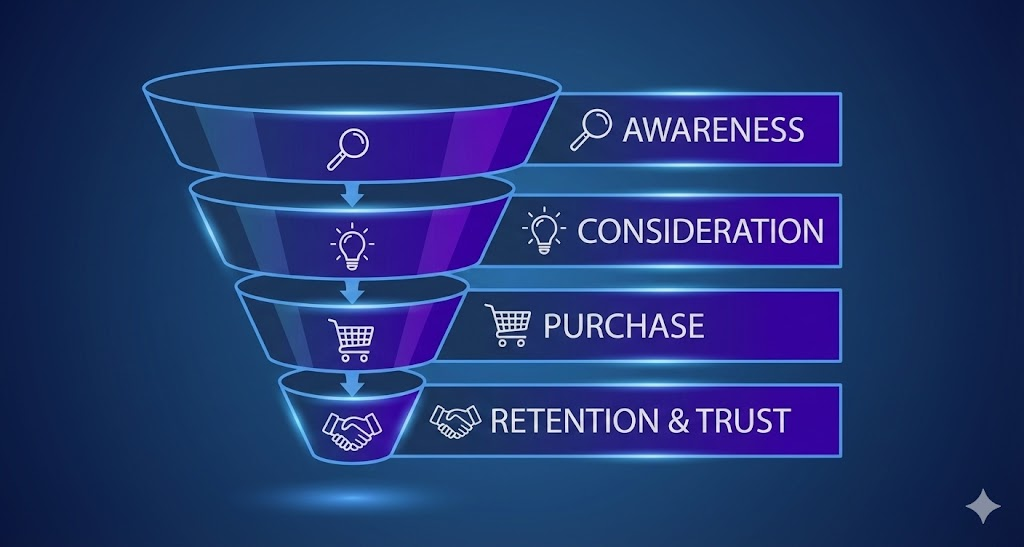
If you are shifting focus from acquisition to retention, the restructuring must start with the Welcome Series.
Many brands immediately hit new subscribers with a "Buy Now" CTA. This is a strategic error. You have plenty of time to sell later; the first 90 days should be about establishing why the customer should believe in the brand.
"The real goal of a welcome series is to build trust." — Manny Ju
The Patagonia Blueprint
Manny highlights Patagonia as the gold standard for this approach. Their welcome sequence avoids hard selling and instead focuses on:
- Identity: Who they are and their corporate ethics.
- Materials: How their products are made (e.g., recycled content).
- Impact: What they do with their profits and the causes they support.
For high-ticket items or luxury goods, this trust-building phase is non-negotiable. If you skip this step, you trap yourself in an endless cycle of aggressive acquisition because you never cultivated a relationship with the customers you already paid to acquire.
Trust is the foundation, but moving a customer from trusting to buying often requires a bridge that lowers the barrier to entry.
The Experience Step: Bridging Interest and Conversion
Between Interested lead and loyal buyer, there is a critical intermediate step: Engagement.
Sometimes trust isn't fully established yet, and asking for a full purchase is too big of a request. Marketers need to create a low-risk way for the customer to experience the benefit of the product before committing.
This experience first approach looks different depending on the vertical:
- Nutraceuticals: Margins often allow for free samples. Getting the product in the customer's hand removes the risk.
- Services: Brands like SiriusXM offer the first 90 days free. The customer engages with the programming without cost, and the follow-up emails focus on the benefits of that specific content.
- Referrals: EveryPlate uses a referral system where subscribers can send a free box to a friend. The new lead engages with the product based on the trust of the referrer, not the brand.
If you can get a lead to experience the product at close to free, the follow-up conversation changes. You aren't selling a promise anymore; you are selling the continuation of a benefit they are already enjoying.
However, even after the sale is made, the job isn't done; you must ensure the customer actually knows how to succeed with their purchase.
Post-Purchase Education Strategy
One of the biggest missed opportunities in retention is assuming the customer knows how to use what they just bought.
Manny points to a case study regarding Sephora. They realized a massive demographic was young girls just learning to use makeup. Rather than assuming knowledge, Sephora structured their post-purchase emails to be purely educational.
If a customer bought mascara or eyeshadow, the follow-up emails were tutorials: How to apply mascara properly, How to blend eyeshadow, etc.
This applies to SaaS as well. Platforms like Mailchimp send tutorials immediately after signup. By ensuring the customer achieves success with the product early, you drastically reduce churn and increase the likelihood of a second purchase.
To execute these strategies effectively, you need more than just standard metrics; you need to look at data through a wider lens.
The Fourth Dimension of Data: RFM + Engagement
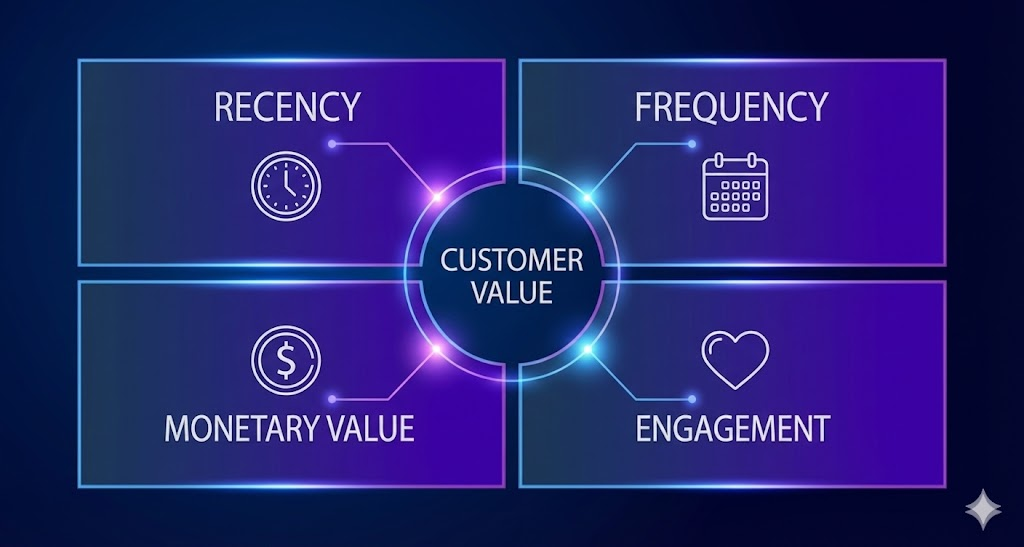
Most email marketers rely on RFM Analysis: Recency, Frequency, and Monetary value. While this is essential, it paints an incomplete picture if used in isolation.
Manny gives the example of a supplement brand where the best customer might look like a churned customer, if you only look at Recency. Their best-selling product lasts 30 days, but their highest-value customers buy a six-month supply at once. If you only target people who bought in the last 30 days, you would miss your highest-value whales.
Brand Engagement
Manny advocates for adding a fourth dimension: Brand Engagement. This includes:
- Email opens and clicks.
- Browsing behavior (site tracking).
- Abandoned carts (purchase intent).
This deeper level of data allows you to spot red flags that standard metrics might miss, such as a customer who is active but unhappy.
The Returns Page Red Flag
Sophisticated tracking can identify specific browsing behaviors that signal a relationship in trouble. For example, if a customer hasn't purchased in three months and suddenly starts browsing the Returns page or FAQ, trust is fading.
Manny suggests a hyper-targeted campaign for this segment. This isn't about selling; it's about listening. A CEO or head of support might send a plain-text style email asking for a quick chat to hear the voice of the customer. It’s a high-effort move, but for high-LTV brands, saving that relationship is worth the manual intervention.
While internal data is powerful, your external partners can also provide critical insights to refine your messaging.
Leveraging Affiliates to Refine Email Copy
Affiliate partners are often viewed solely as acquisition sources, but they are also valuable sources of data for your retention strategy.
When you work with a platform like Everflow, you can see exactly which affiliate drove a customer and, by extension, what kind of audience that customer comes from.
If a specific affiliate is driving your highest LTV customers, analyze that affiliate's audience. What is their demographic? What is their psychographic? You can then tailor your internal email copy to match the tone and values of that high-performing audience, ensuring your retention messaging resonates with your best buyers.
Beyond refining copy, monitoring your partners is essential for protecting the technical integrity of your email program.
Everflow’s Traffic Health feature works in the background to monitor domain blacklisting and flagged links, ensuring that a partner's bad link doesn't accidentally send your entire email campaign to the spam folder.
3 Steps to Take Today
To start building a retention engine, audit your current email sequences towards three priorities:
- Review your Welcome Series: Does it sell immediately, or does it build trust? Remove the "Buy Now" pressure from the first 3 emails and focus on brand values.
- Check your Content Ratio: Ensure you are hitting the 80/20 balance. If you sell a physical product, create content around the experience of using it, not the specs of the product itself.
- Layer on Engagement Data: Don't just segment by last purchased. Overlay browsing data to identify customers who are engaging, but not buying, or customers who are signaling dissatisfaction by visiting support pages.
|
Subscribe To Our Newsletter Get tactics and strategy by category that help you grow faster through our fireside chats, webinars, white papers, blogs, and case studies.  |
