
The 2026 VP of Marketing Playbook: AI Growth, Human Brands, and the First 90 Days

The Role Of New Marketing Leaders Has Changed
The first 90 days of a marketing leadership role are too often a blur —pulling rabbits out of hats to generate immediate pipeline while frantically trying to build a long-term strategy.
But, what if you didn’t have to rely on heroics?
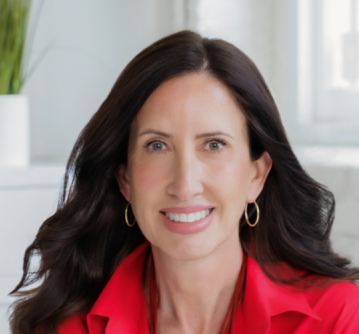
Kathleen Booth, VP of Marketing at Sequel.io, spoke to us while at the 45-day mark of her new role. Previously the SVP of Marketing & Growth at Pavilion, Kathleen brought deep experience in community-led growth and high-velocity revenue models.
In this Masterclass, she pulls back the curtain on her framework for the first quarter, detailing how she is positioning her team for the "2026 model" of marketing: AI-first growth paired with a human-first brand.
To build this resilient, revenue-focused engine, Kathleen starts by stripping away the noise and focusing on three foundational pillars.
The 3 Critical Pillars for the First 90 Days
When stepping into a new leadership role, it’s easy to get distracted. Kathleen identifies three pillars to prioritize immediately to secure early wins and set the stage for scale.
1. Storytelling: From Feature-Led to Value-Led
In a converging software market where every competitor claims to be "AI-powered," features are no longer a differentiator.
- The Shift: Move away from listing what the product does and focus on why it exists.
- The Vision: Connect individual product launches to the overarching problem the company solves.
- The North Star: If the buyer can’t see where you fit in their world, they won't buy.
2. Define How You’ll Win
You must identify your superpower immediately. For Sequel.io, it’s solving the underlying data challenge marketers face.
- The Differentiator: While competitors focus on content repurposing, Sequel focuses on data depth—embedding webinars onto websites to capture first-party data (polls, watch time, engagement) that feeds directly into your CRM.
- The Strategy: Win on product quality and data fidelity, not just lead volume.
3. "Drink Your Own Champagne"
The most effective marketing strategy is becoming your own best case study.
- The Tactic: Sequel runs its entire marketing motion through its own product.
- The Hero: Kathleen highlights her own webinar manager, Allie Smith, as the hero. By showing exactly how they run their programs, they provide a roadmap for customers.
Once these pillars are in place, the challenge shifts from high-level strategy to avoiding the common tactical pitfalls that plague new executives.
The 2026 Marketing Leader: AI-First Growth, Human-First Brand
The modern leader must be a revenue executive who understands the intersection of automation and authenticity.
- AI-First Growth: Use AI to handle analysis, forecasting, and repetitive value extraction from content. Automate the engine so the team can move faster.
- Human-First Brand: In an era of AI-generated noise, humanity is the premium asset. The brand voice and community engagement must feel undeniably human.
Achieving this balance requires more than just a philosophy; it requires a rigorous, manual deep dive into the data that fuels these systems.
Avoid the "Marketing Heroics" Trap
A common mistake new VPs make is sacrificing long-term infrastructure for short-term splashes. This pitfall is often referred to as "marketing heroics".
The Solution:
- Audit Before You Spend: Instead of launching new ads on day one, dig into the existing SDR/BDR process. Listen to calls, coach the team, and tighten the feedback loop.
- Maximize Existing Commitments: If the company is already committed to field events, optimize them. Focus on the pre-event booking cadence and post-event follow-up to ensure every dollar returns actual revenue.
- Annual Planning: Use the first 90 days to look at historical data to cut underperforming lines and reallocate budget toward what works.
This focus on efficiency over "heroics" is a hallmark of the modern marketing leader, who must balance the power of automation with the necessity of human connection.
Do A Data Reality Check: Interoperability & The "Big Spreadsheet"
Having great tools (HubSpot, Apollo, etc.) doesn’t mean you have great data.
The Interoperability Audit
The tools usually aren't the problem; it's how they talk to each other. If your BDR is making calls in Apollo, but that data isn't triggering workflows in HubSpot, you have a blind spot. Your first 30–60 days should be spent auditing how tools communicate.
The "Big Spreadsheet" Technique
Kathleen recommends exporting historical data into a raw spreadsheet to manually analyze:
- Seasonality: Does January always lag? Is August dead?
- True Conversion Rates: How do rates fluctuate month-over-month?
- The "Why": Correlating traffic spikes manually to past activities reveals insights automated reports miss.
With a clean data foundation, you can finally evolve your highest-leverage channels—like events—from simple lead captures into sophisticated intent engines.
Leverage Events And Their Data
Events are "lumpy" (inconsistent in timing) but incredibly effective when treated as intent engines:
- Granular Intent: Track how they engaged. Did they answer a poll? What was their answer? How long did they stay?
- CRM Integration: Push that specific engagement data directly into the contact record.
- Nurture Based on Behavior: Trigger a sequence based on the specific poll answer given during the live session.
- The AI Multiplier: Use AI to slice event content into masterclasses, playbooks, and social clips that drive the next wave of intent.
In short, events shouldn't be viewed as one-off moments in time. With proper tracking in place, they can serve as high-signal data sources to fuel your automated sales and content engine.
Conclusion: Building for 2026 and Beyond
The transition from "marketing heroics" to a sustainable revenue engine isn't about working harder—it’s about working smarter with the data and tools already at your disposal.
By prioritizing value-led storytelling, ensuring your tech stack actually "talks" to itself, and embracing an AI-first growth mindset, you move away from the frantic 90-day scramble toward long-term, resilient leadership.
As Kathleen demonstrates, when you "drink your own champagne" and lead with a human-first brand, you don't just generate leads; you build a movement.
Next Steps
Want to see how you can turn your webinars into revenue engines?
Check out Sequel.io to learn more or connect with Kathleen Booth on LinkedIn to follow her journey.
